


Ships free next business day from Farmers Branch, Texas


Most popular
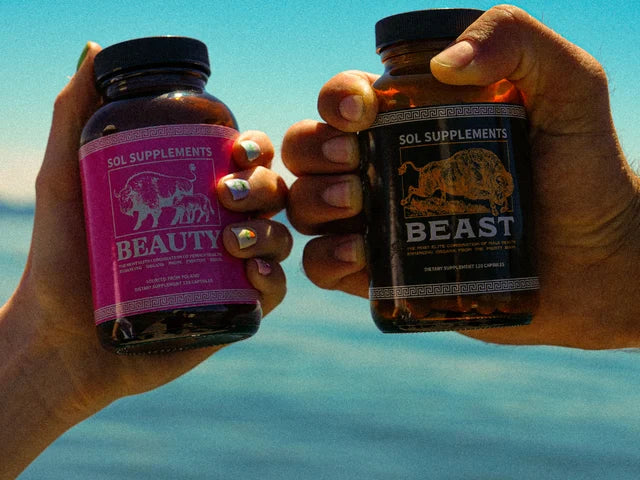
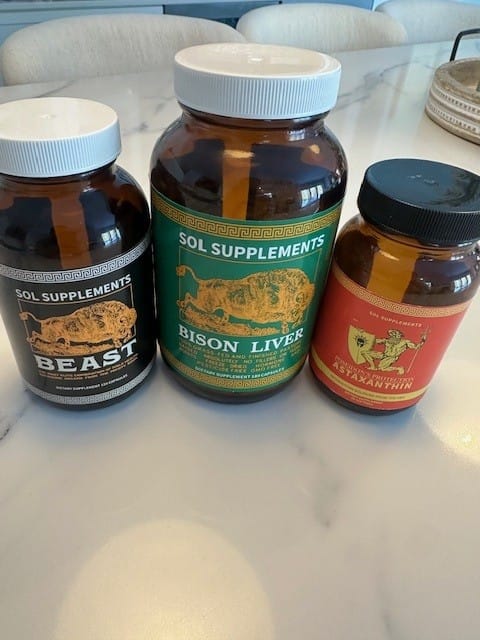
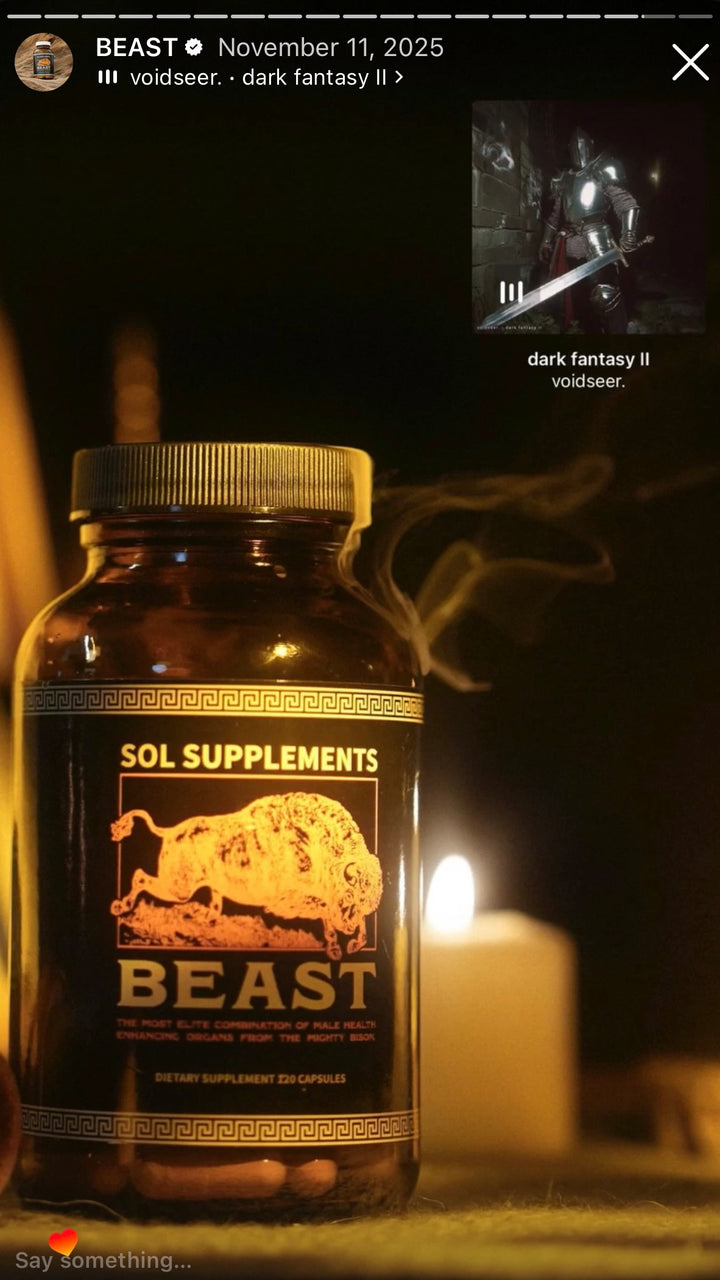
 BEASTTotal male support, from T to recovery†
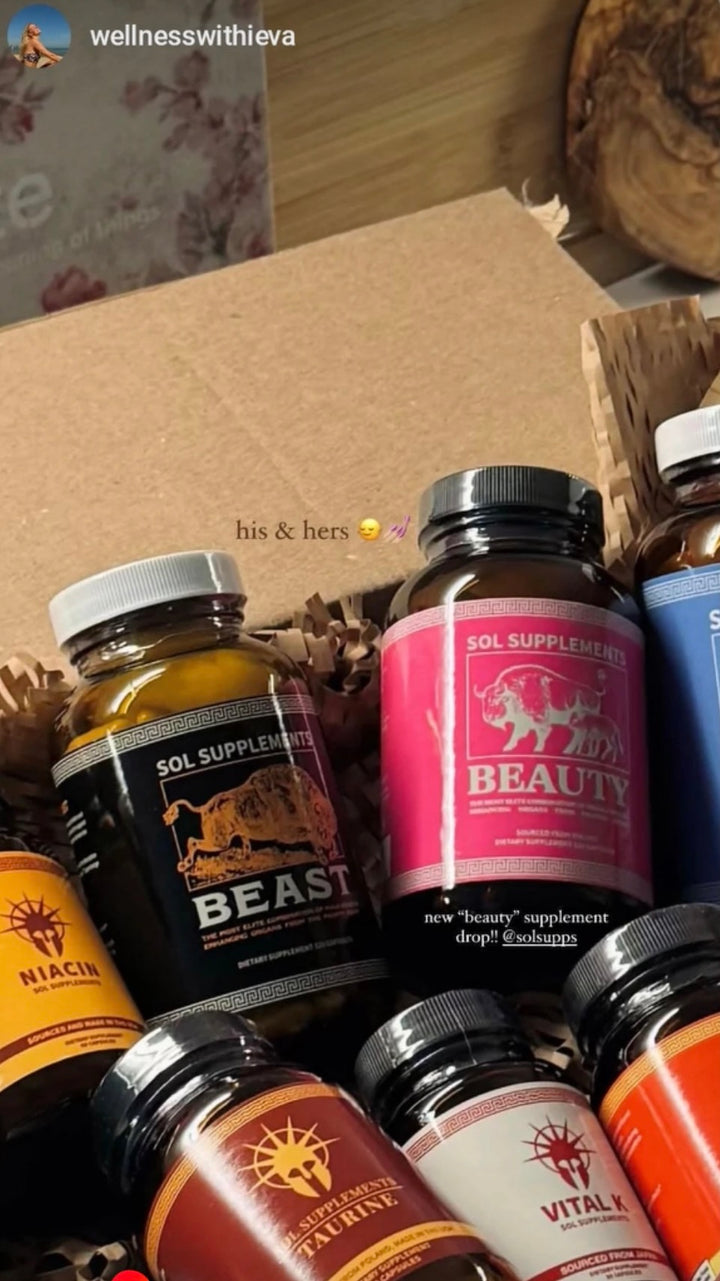
 BEAUTYTotal female support, from hormones to glow†
 glycineUS-made, for sleep and glycine dreams†
 magnesiumCalm mind, sound sleep, relaxed muscles†
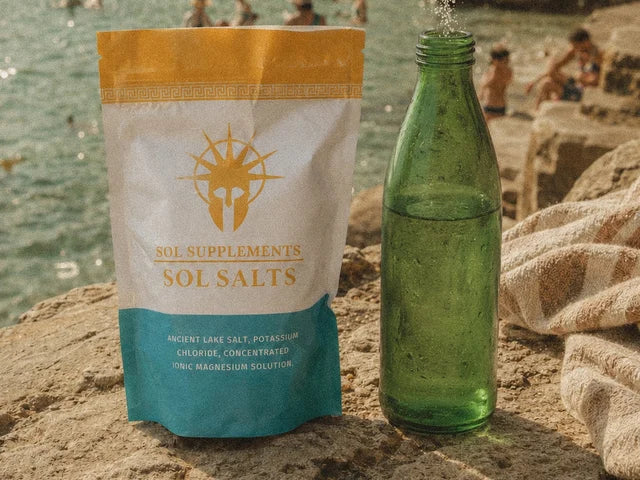
 sol saltsAncient lake salt with natural magnesium
 bison liverNature’s multivitamin, the original superfood
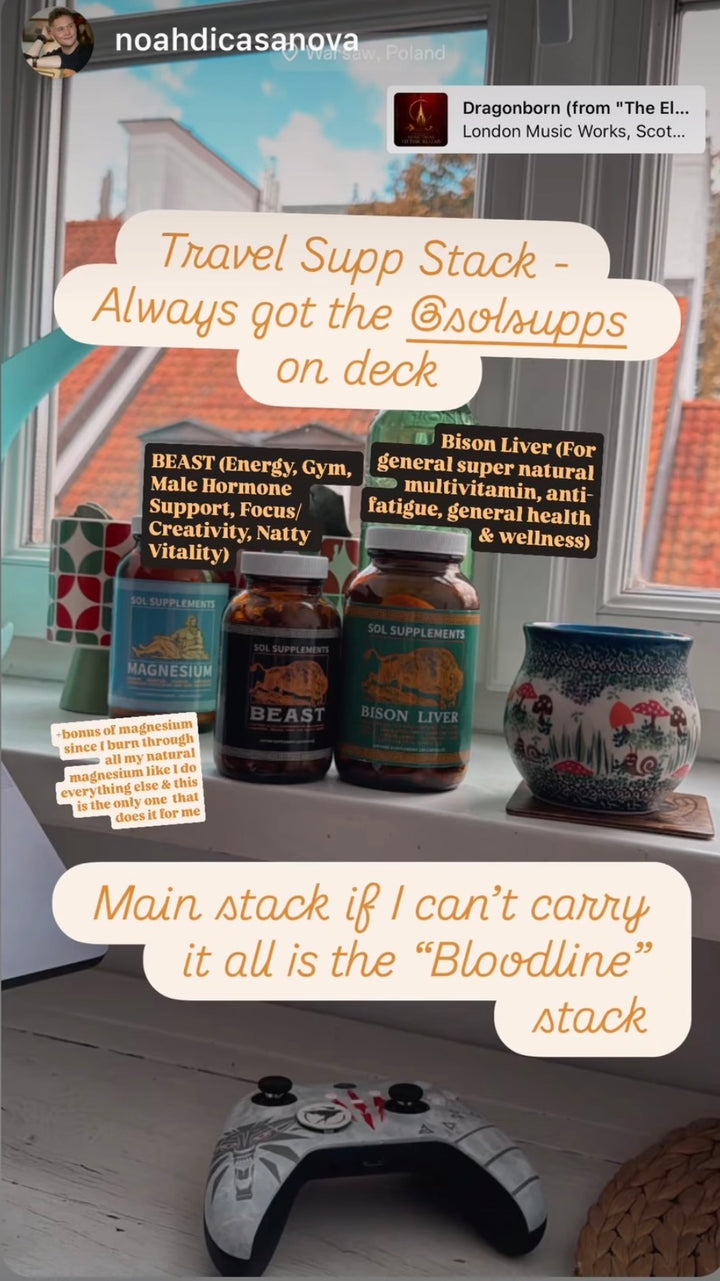
 BLOODLINEBEAST and Liver, the pair men stay on
 astaxanthinSkin support from the inside out†
 VITAL KThe complete K: bones, brain, heart, hormones†
 taurineStrength, stamina and focus, no caffeine†
 niacinBlood flow you can feel, and NAD+ for energy†
- No soy or seed oils
- Glass bottles
- Keto & carnivore friendly
- Grass-fed & finished bison
- No soy or seed oils
- Glass bottles
- Keto & carnivore friendly
- Grass-fed & finished bison
- No soy or seed oils
- Glass bottles
- Keto & carnivore friendly
- Grass-fed & finished bison
- No soy or seed oils
- Glass bottles
- Keto & carnivore friendly
- Grass-fed & finished bison
Why 20,000+ people chose Sol.
Sol supps is the cleanest, most transparent brand on the market. I've taken dozens of different beef liver brands with varying effectiveness, but there is no other BISON liver supplement that compares on the market. Bison > Beef. It's the only supplement I take consistently, every day, without exception - natures multi!…
See Bison Liver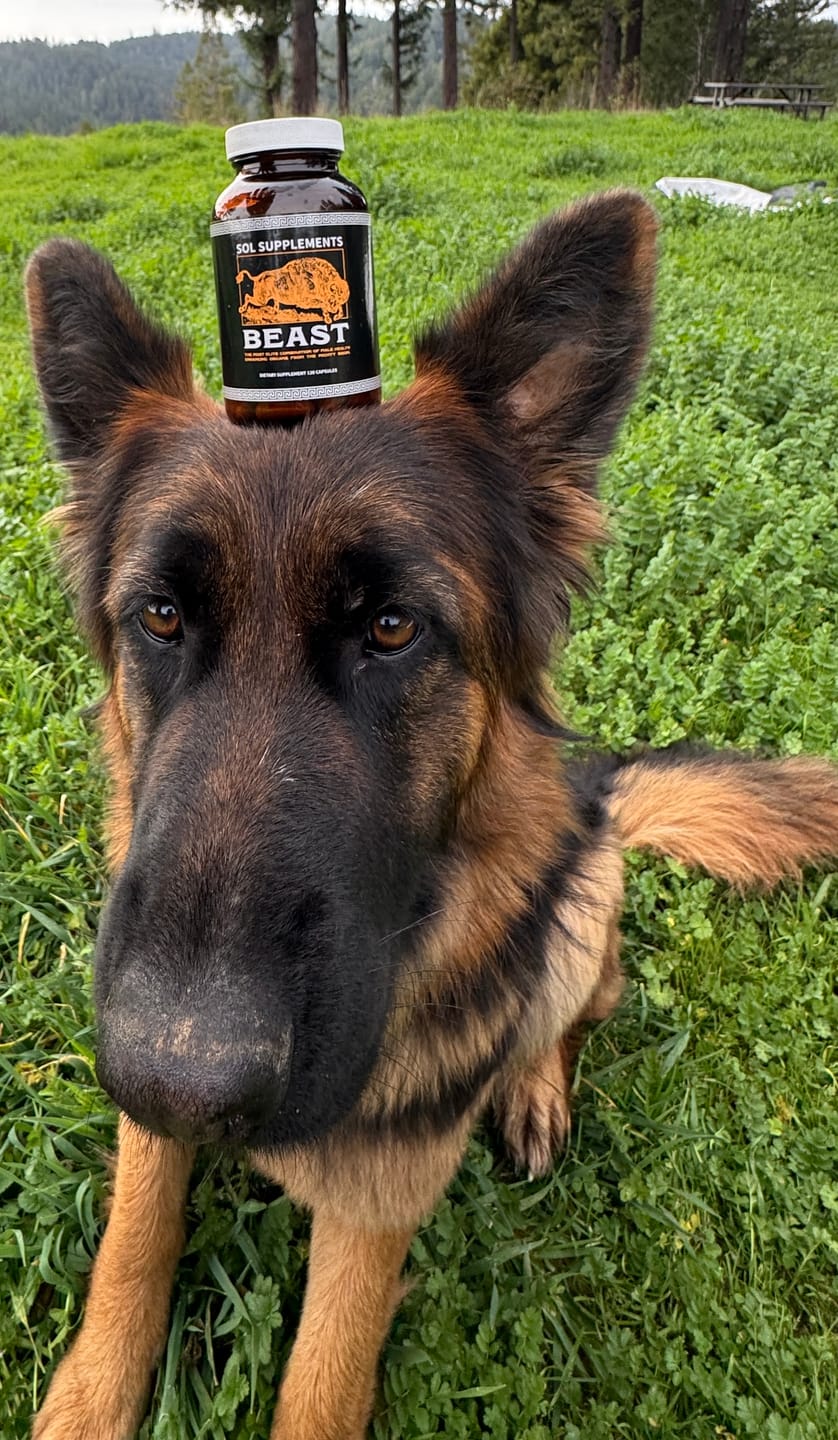
I'm thrilled to have found BEAST at Sollsupps!!! Even the dog got very excited when she sniffed the bottle after I opened the lid. She can smell the BISON! I've been taking them for about 4 weeks now… I feel fantastic after taking these…
See BEAST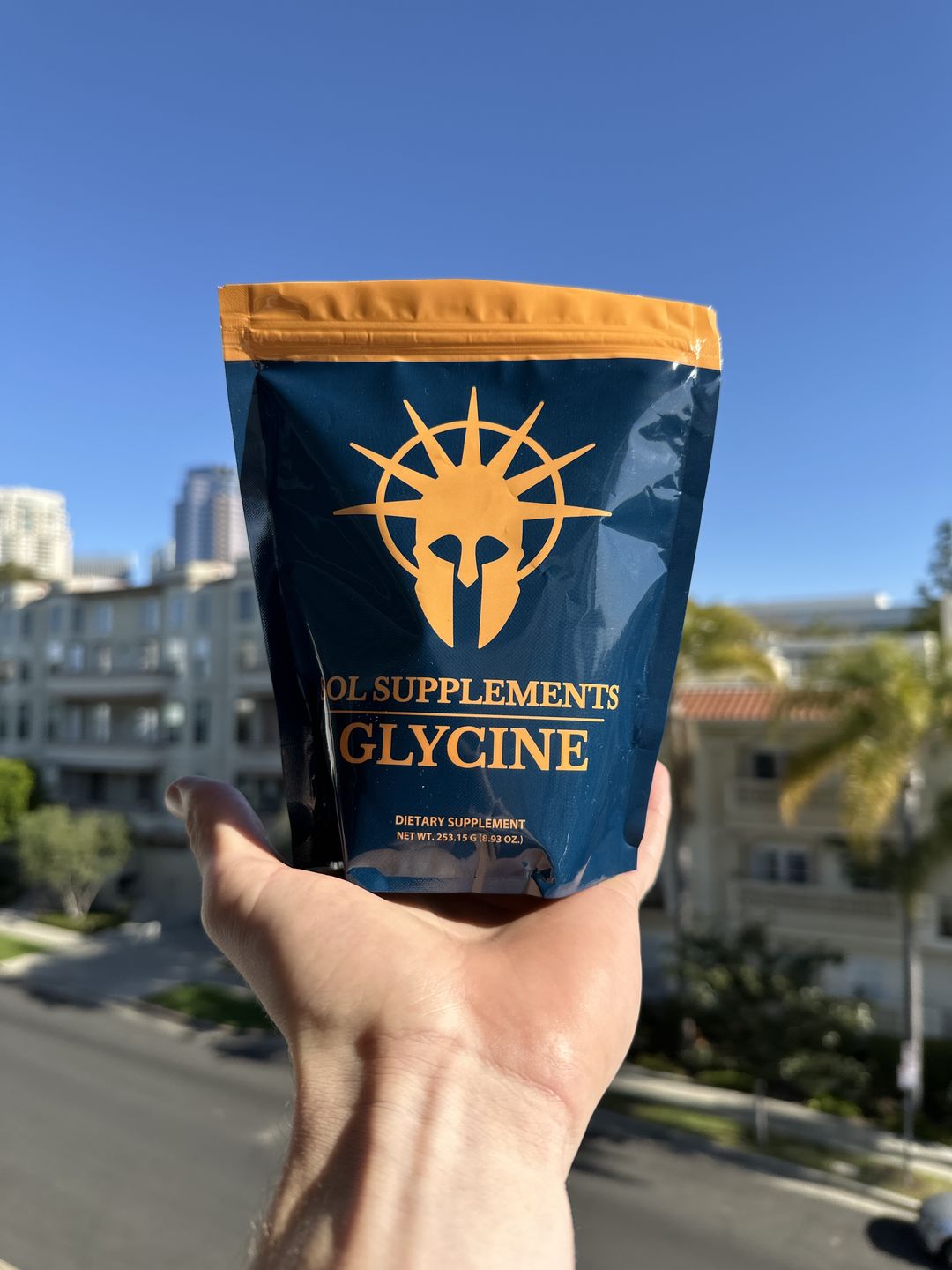
100% the best supplement you’ll ever try. Ever since using it I’ve been sleeping like a rock falling asleep in 5 mins or less. My recovery feels better as well and I’m not getting as sore as I used to. Also it tastes amazing unlike other sups which are a drag to take. Sol Supps Glycine is essential!
See Glycine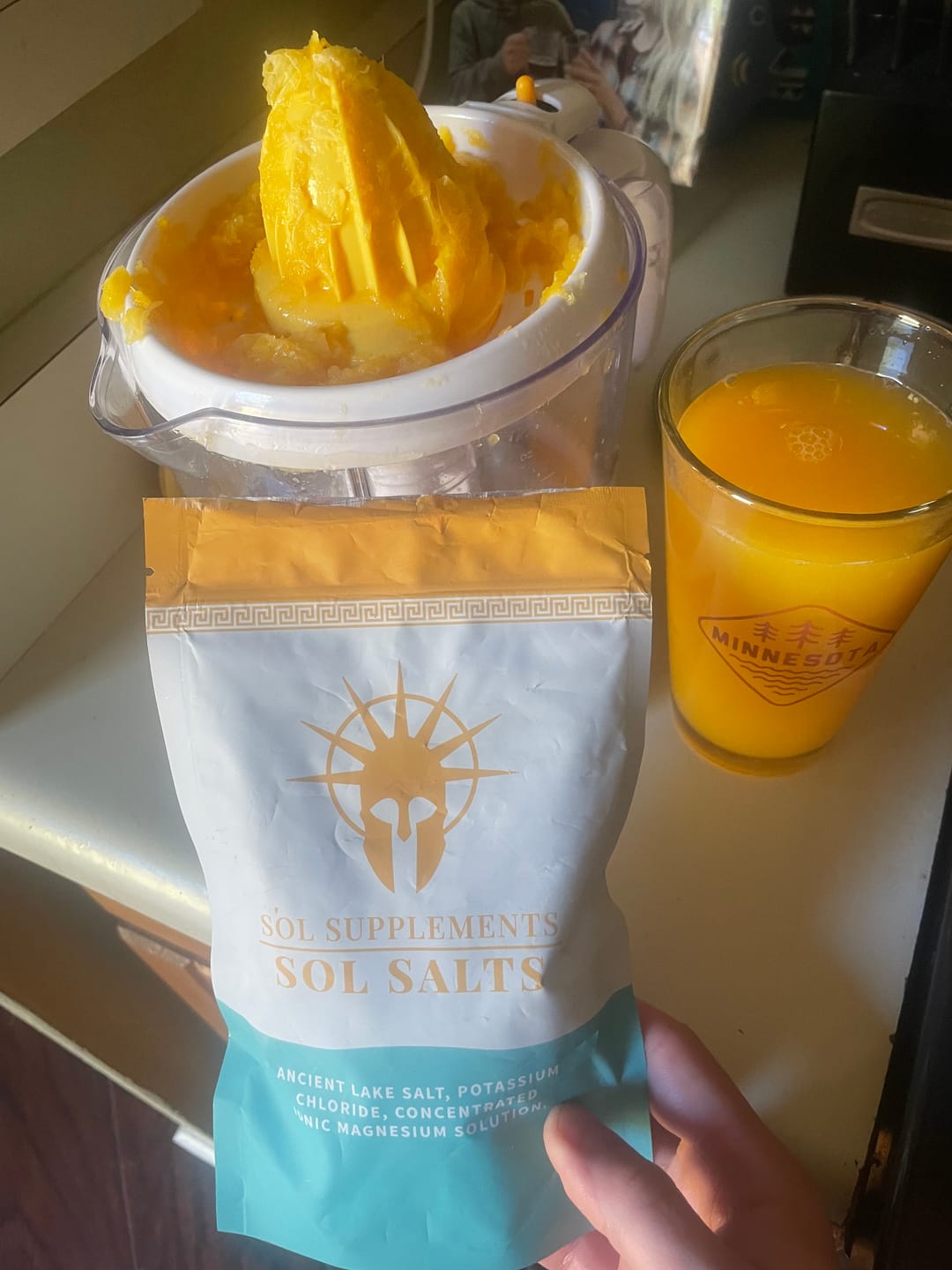
Salts are all kosher, good electrolyte replenishment. I like how it does not have added flavor, so I can put them in anything - real good in fresh orange juice…
See Sol Salts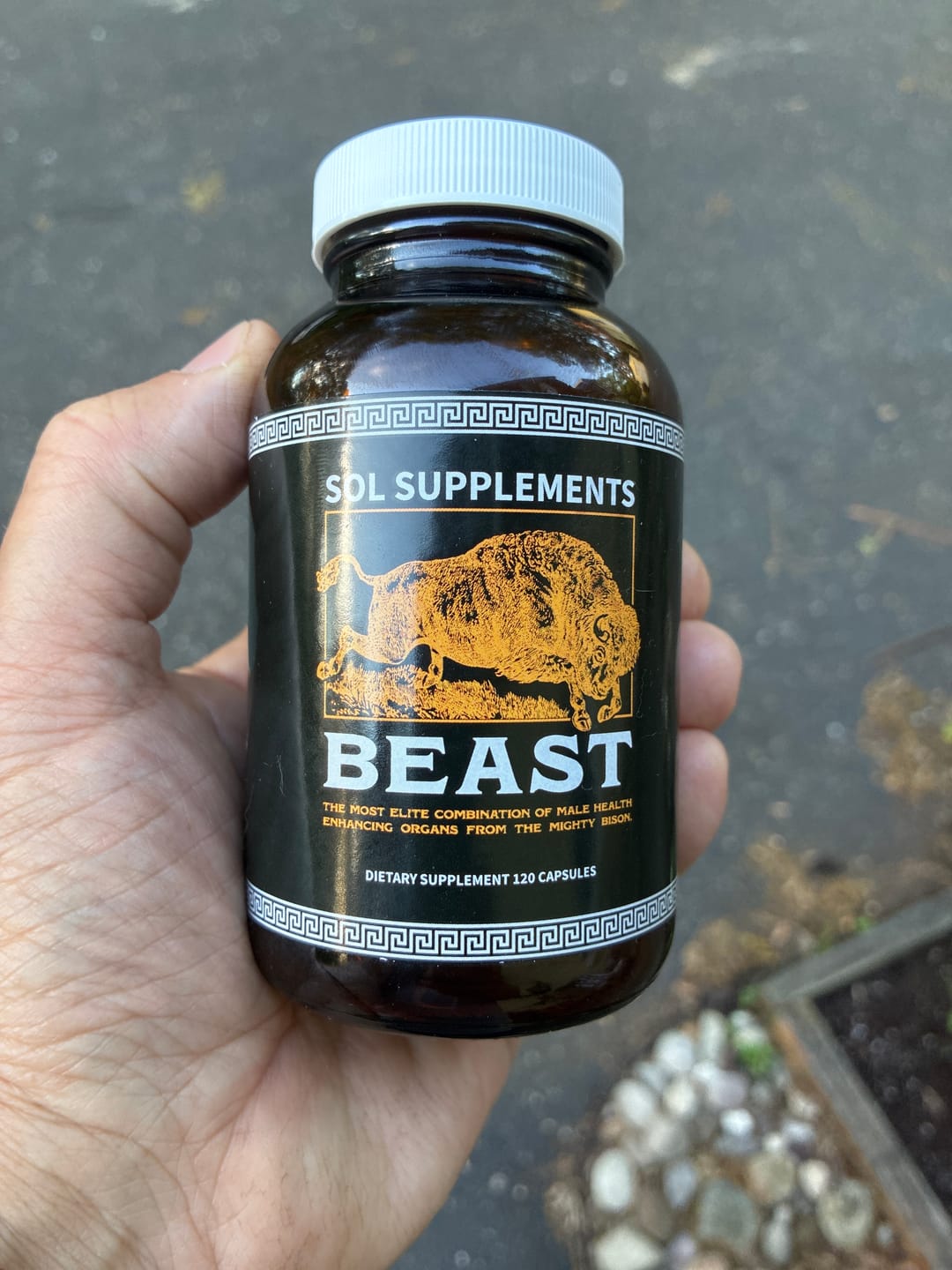
…Very happy with the quality of your supplements and the fact that there are no fillers! The Glass bottles are very much appreciated…
See BEAST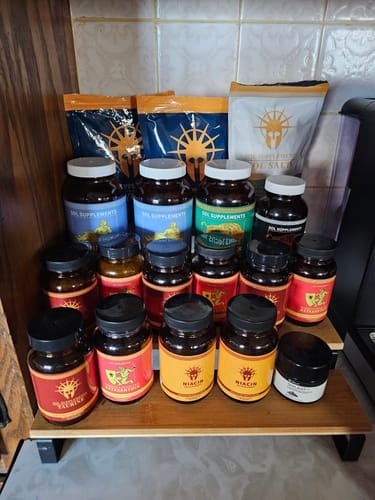
I started with just the Sol Salt, now I have every single except Beauty and Vital K. Which I'll also try. The glycine and magnesium are my every night no fail…
See CLEAN SLATE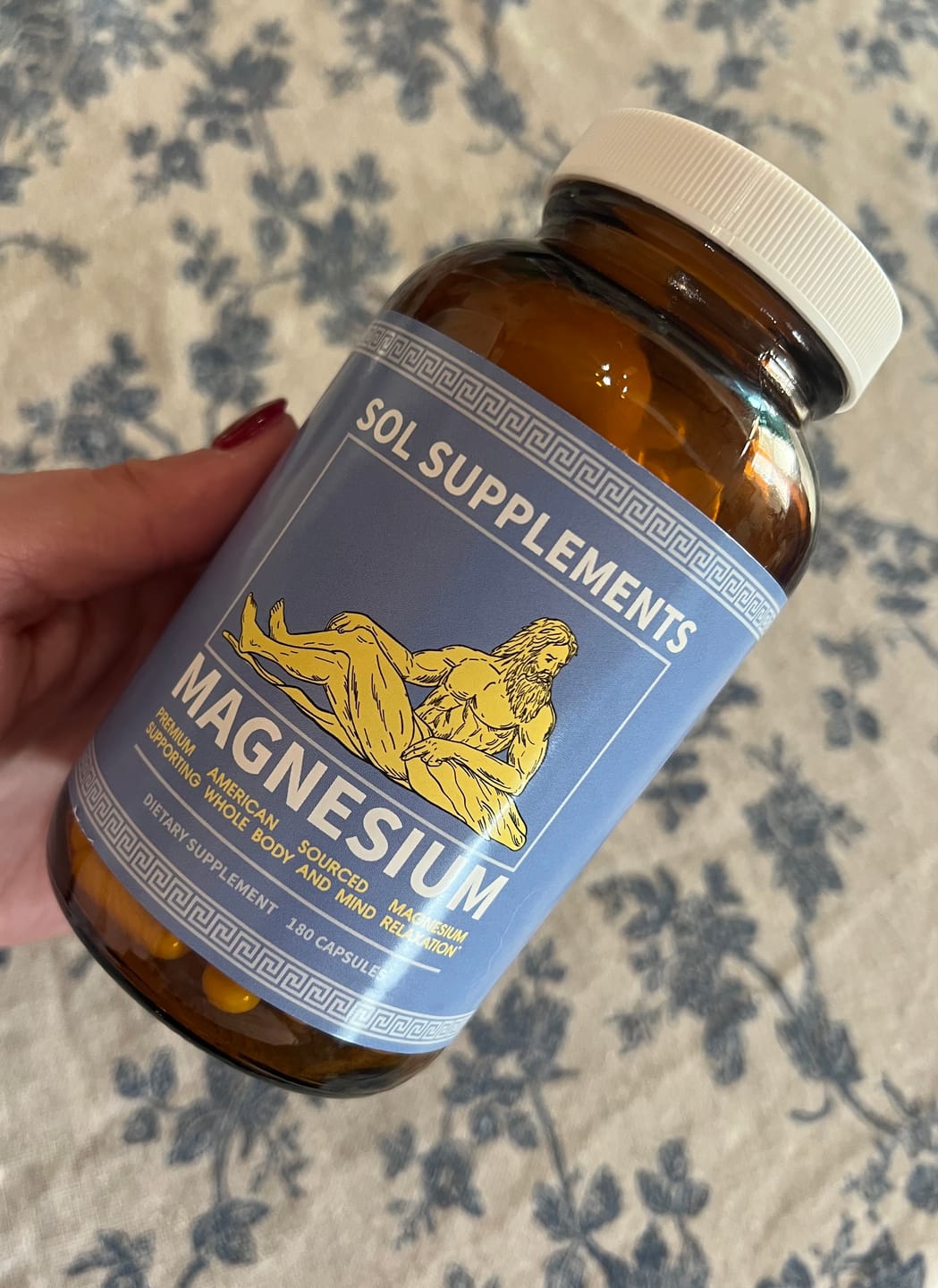
…I take them every night before bed with water… Oh and let’s not forget to mention I sleep through the night. I’m getting wonderful sleep and I have no issues falling asleep.
See Magnesium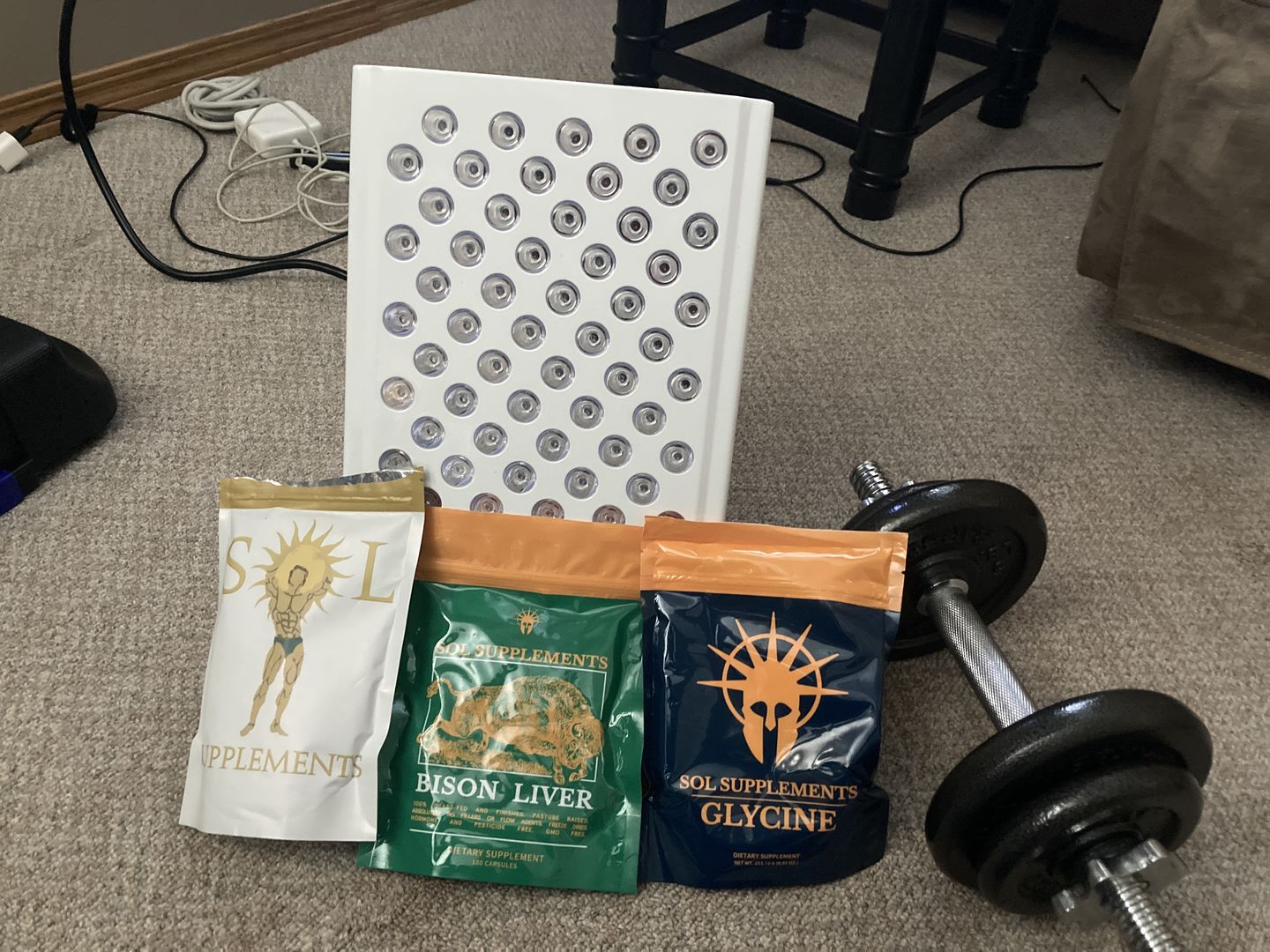
Red light, proper salt, proper sleep, proper fuel. As a Canadian, I am relieved I am able to feel great during these long winter months
See Sol Salts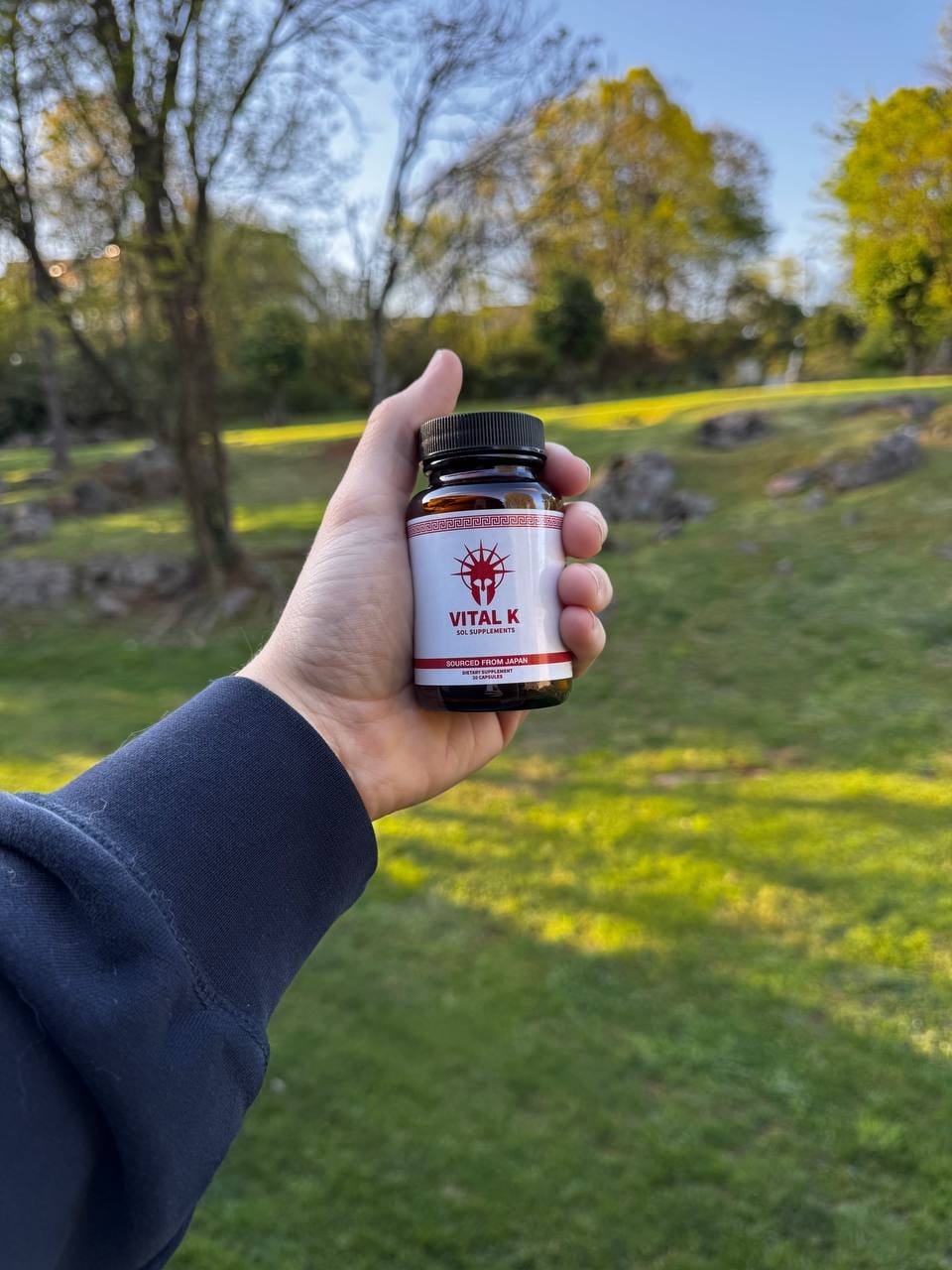
Born to chillax, forced to lock in. Luckily for me, this has been game changing. I wasn't expecting much, but MAN this is the best vitamin K I tried yet. I pair it with a basic D3 and now I'm LOCKED AND LOADED. Genuinely my go-to…
See VITAL K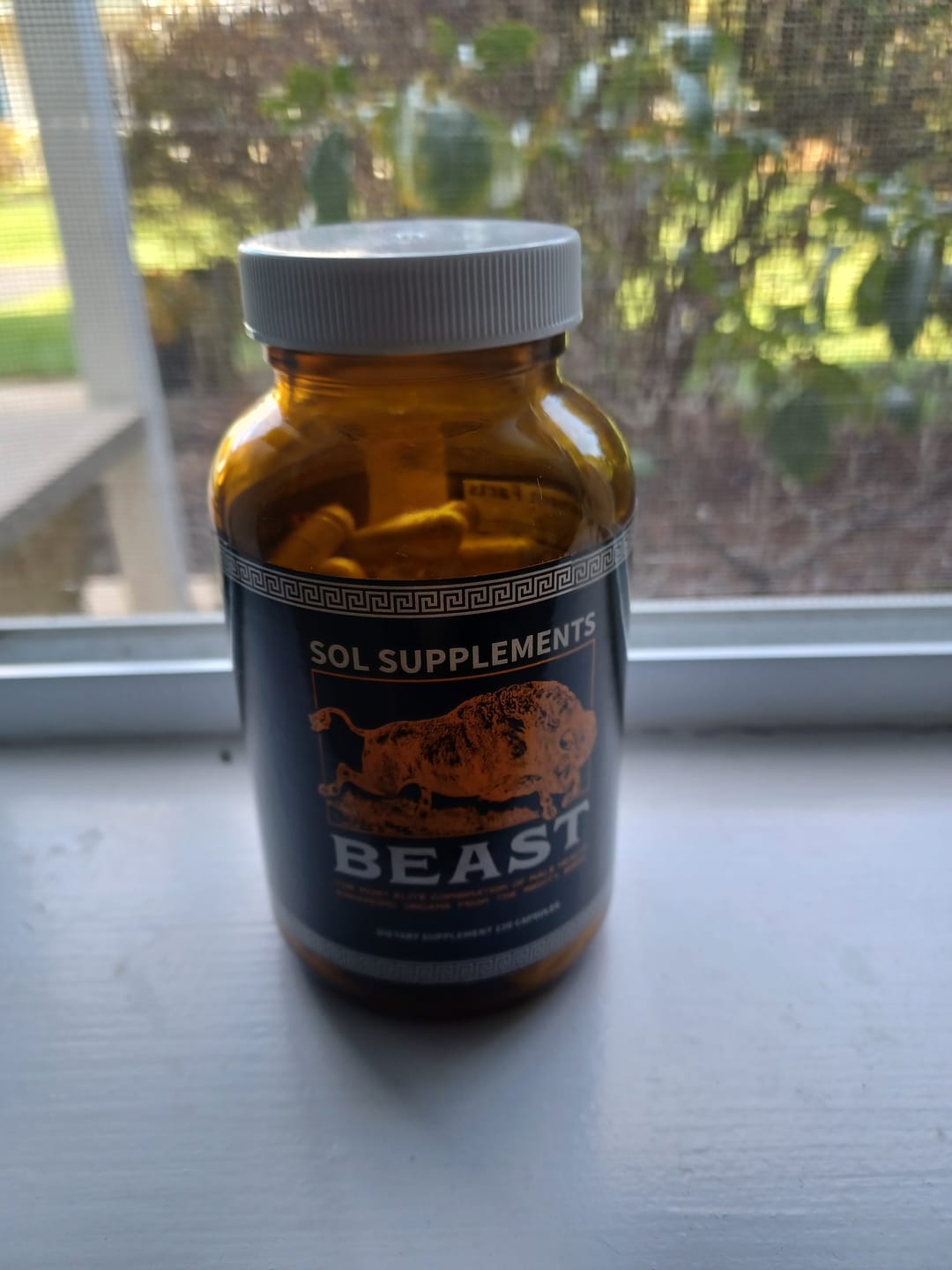
Has given me the extra energy I need whether I'm working out or on the job. Gives you that extra push you need. Highly recommend this! Will be buying this every month no doubt.
See BEASTI have bad sleeping habits. This is not going to solve your bad sleeping. However, this will certainly enhance the sleep you have… I actually have been tracking the last two months with my fitbit the amount of deep sleep on and off in excel. On average, my deep sleep has gone up by 20%. Further, my recovery time from uber sore to completely fine + a day (for good measure) was 7 days. With Glycine it has actually gone down to 5 days…
See GlycineI've been a huge fan of this since it came out basically. I find that taking this with the bison liver helps me to sustain energy through lifts and throughout the day. Tried other beef organ ones that didn't really feel like they were doing anything before I made the switch, happy I did.
See BEASTI am shocked at how the quality of my training has improved. I am borderline embarrassed to realize that I’ve been severely dehydrated for my entire life. I take this before and during workouts, and it makes a world of difference. I’m not new to physical training, and spent 10 years in the US marine corps infantry…
See Sol Salts3rd time ordering this product now, every time we run out, we notice it and restock accordingly thankyou Sol Supps for the consistent excellent quality, it was a very nice surprise to see the green bag was switched out for a glass bottle!!
See Bison LiverWe don't remember what life was like prior to Sol Glycine. If we get to half a bag, my wife begins to panic, and an order must be placed. The standard is chamomile tea / glycine. Every. Night. What follows is a ride on the arboreal glycine highway, and a refreshed wake up the next day. Complete and utter game changer.
See GlycineI love Sol supps and this one is no different, my skin feels smoother & softer after just a month’s worth of consistent taking!
See AstaxanthinThe flush is very intense. One capsule of SolSupps' niacin gives me the same flush as 3-4 caps/tabs of other brands I've tried. It's obviously very pure…
See NiacinSo easy to take and I don't have to taste the liver! Good price also.
See Bison LiverBEAST has been da goat!! Been taking it every day for a few months now and I adore it. For as long as I'm a man, I'll be taking beast. I envision that will be the rest of my life 😂
See BEASTBest glycine I've ever tried. Noticeably more fine and dissolvable than competitors. No harsh aftertaste. Incredible source. Quality product. For what it's worth, I have a chemistry background and the purity is unmatched compared to any other brand I've tried.
See Glycinesecond time buying sol salts. first bag kept me hydrated every day while working in the sun, i had to get more! water feels empty without them.
See Sol SaltsAmazing supplement! I feel more energized daily… and glowing skin!! Bison is one of my favorite foods and now a favorite supplement of mine as well
See BEAUTYI'll be honest, I was skeptical about how much this would help my day to day life. Particularly as there is no clear breakdown of nutrition. That said, I definitely had a boost in my energy. I got near the end of the day and realized I hadn't consumed nearly half of the caffeine I normally drink to "stay awake." And this was after a night of little sleep. So I'm now a believer!
See Bison LiverBeen stacking my BEAST with Liver for a while and love that they finally made it into an official stack. Beast and Liver are the only two supplements I take and I won't go without it. If you haven't tried it get on it!!
See BLOODLINE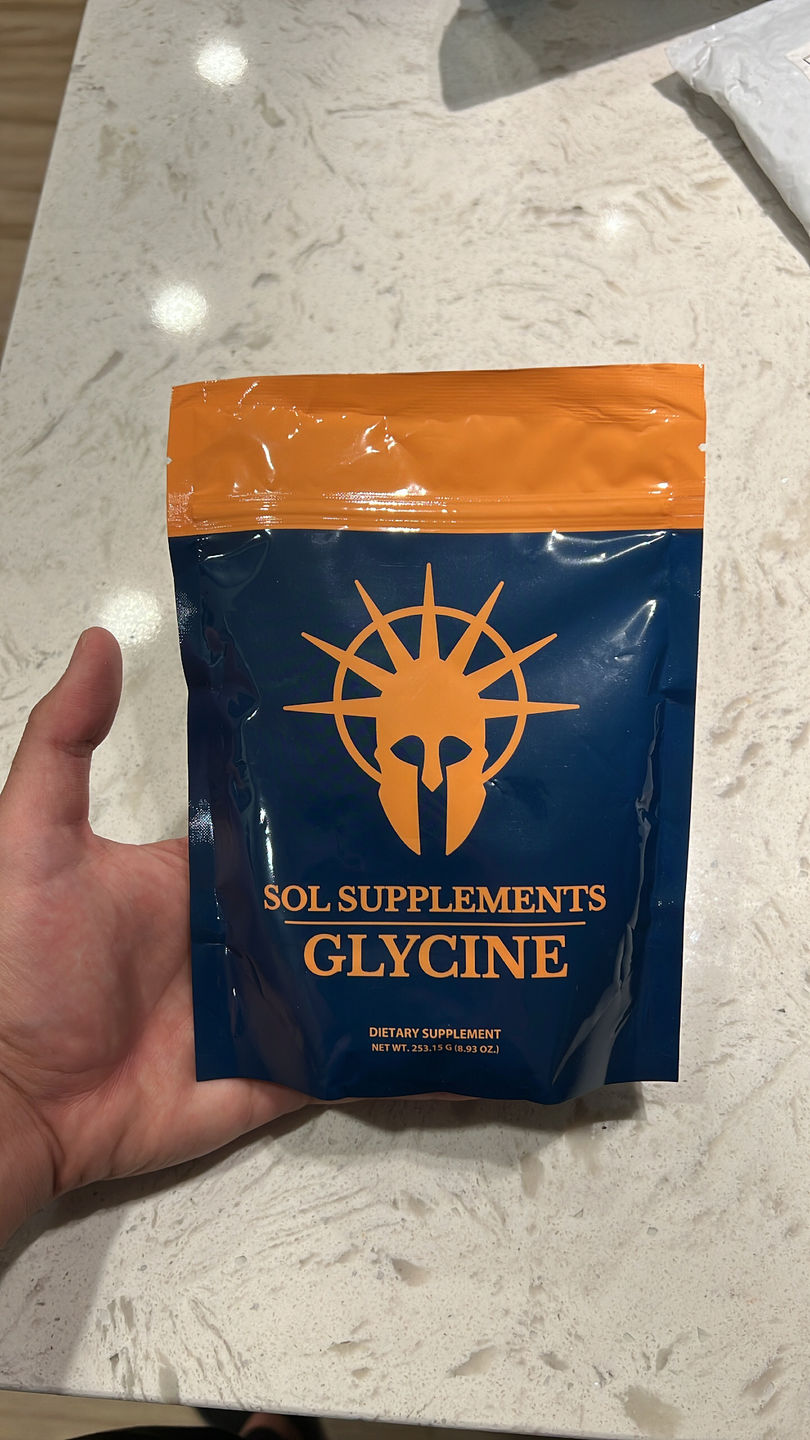
You’re insane if you don’t think your chamomile tea tastes like absolute liquid gold after mixing some of this glycine into it. It tastes great, has incredible benefits (I recommend you look them up), and take your sleep to the next level. I’ve gotten used to waking up multiple times in the middle of the night but ever since I’ve taken this, I sleep like a rock uninterrupted…
See GlycineI'm loving this magnesium with two forms. I truly feel more relaxed when I take these. Thank you for making a pure product I can trust!
See MagnesiumWith what little experience with Taurine I have, I can definitively say it's a game changer for post workout and especially post sauna recovery. Seriously I feel amazing after taking this stuff, you gotta try it!
See TaurineBison liver has been a source of energy that has improved my family's quality of life, especially during the Midwest winter. One serving in the morning, on top of a balanced diet, is enough to keep me highly focused at work, and highly energetic at home with my family. Highly recommended!
See Bison Liver

The supplement industry traded nutrients for margins.
We didn’t.
For decades, Big Supp has sold more label than supplement. Doses hidden in proprietary blends, powder cut with flow agents, molecules your body doesn’t recognize, drop-shipped from whoever quoted cheapest.
We went the other way: the real thing, from the best sources on earth, with every ingredient labeled down to the milligram.
This is how strength was always built.
The herd keeps growing.
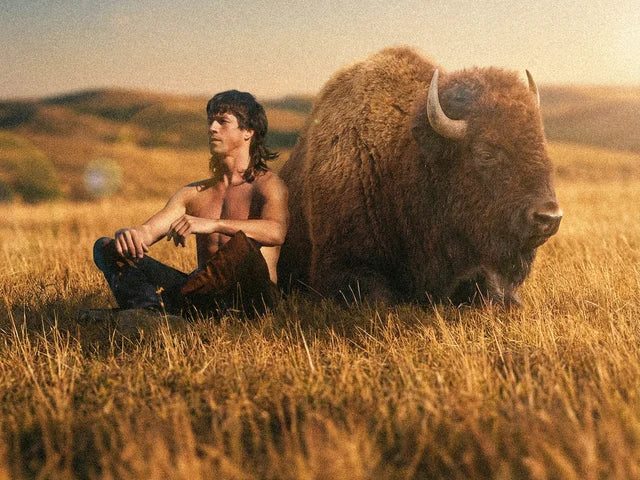
Bison were never bred to be beef.
People have been breeding cattle for about 10,000 years, for size, fast growth and an easy temper. Bison were never domesticated. Ranchers raise them now, but nobody ever bred them into something else. They still grow slowly and stay lean, the way bison always have. On the same diet as cattle in a feeding study, bison carried more lean and less fat. That is the animal behind BEAST, BEAUTY and Bison Liver.

“Moving from beef organs to Bison organs has been the best move for my overall health.”
Josh M. Verified buyerIs bison really any different from beef?
As an animal, yes. In a feeding study, bison and cattle got the same diets. The cattle ate more and gained weight faster, while the bison digested their feed better and carried more lean and less fat. Cattle were bred for that kind of growth; bison never were. It compared the animals, not their organs.
Sources: Koch et al., Journal of Animal Science, 1995 (opens in a new tab) · Bollongino et al., Molecular Biology and Evolution, 2012 (opens in a new tab)Is there research on bison versus beef?
Yes. The clearest is a 2013 double-blind trial: 10 men ate 12 oz of beef or bison, six days a week for seven weeks, then switched meats. On beef, CRP (a blood marker of inflammation) rose 72% on average, a significantly bigger rise than on bison. It was steaks and roasts, not organs.
Source: McDaniel et al., Nutrition Research, 2013 (opens in a new tab)Why organs?
Gram for gram, organs carry far more vitamins and minerals than muscle meat. Per 100 g, USDA’s figures for beef liver show about 47 times the B12 of a grass-fed strip steak and 22 times the folate, plus vitamin A that the steak doesn’t have.
Sources: USDA FoodData Central, beef liver (opens in a new tab) · USDA FoodData Central, grass-fed strip steak (opens in a new tab)Couldn’t I just cook organs at home?
You could. Heat costs vitamins, though. USDA’s tables have simmered organ meats keeping about 60% of their B12 and 65% of their folate once the broth is poured off, and fried ones about 60% of their B6. Ours are freeze-dried instead: frozen, then dried under a vacuum, never cooked.
Source: USDA Table of Nutrient Retention Factors, 2007 (opens in a new tab)Where are your bison from?
Grass-fed and grass-finished bison from New Zealand for BEAST, and from Poland for Bison Liver and BEAUTY. Most organ supplements are made from cattle. Bison is far rarer than beef: about one comes to market in the US for every 400 cattle.
Sources: National Bison Association (opens in a new tab) · USDA, 2023 (opens in a new tab)How much is in a day?
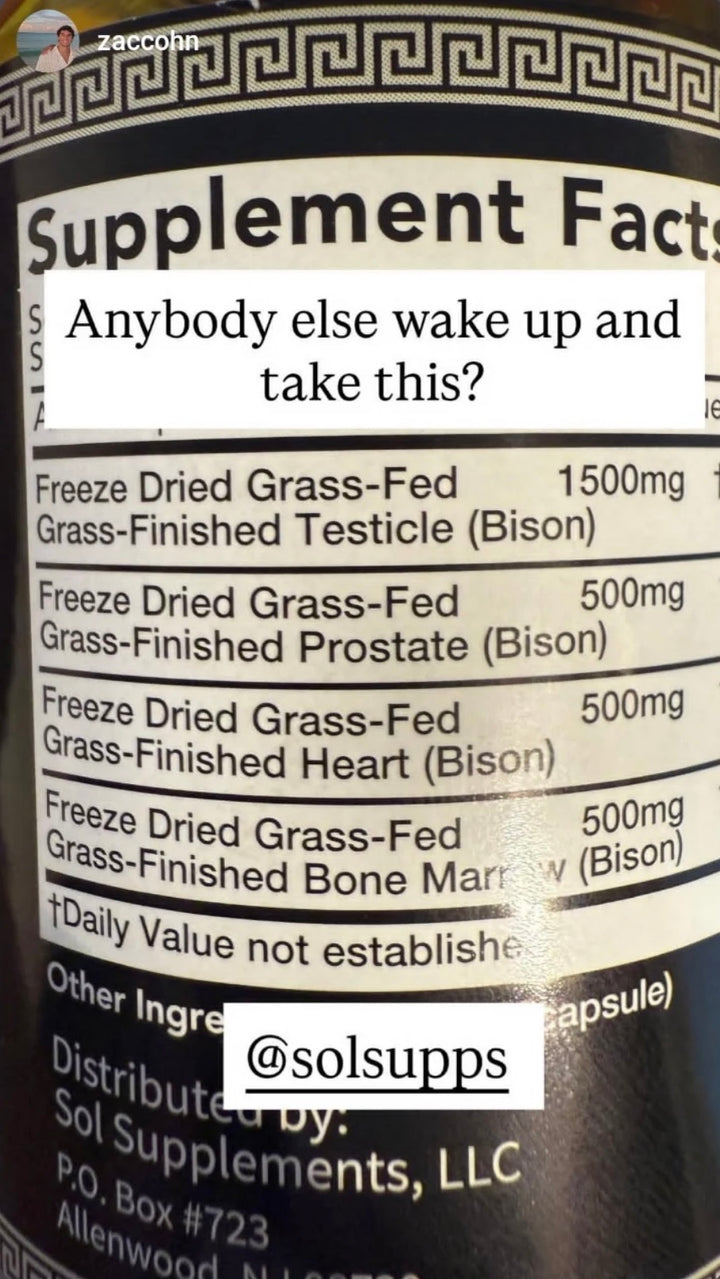
3,000 mg of organs a day in BEAST, BEAUTY and Bison Liver, with every amount on the label. No proprietary blends.
Questions, answered.
What people ask before their first order.
How long until I notice anything?
There’s no jolt, because these are foods and nutrients, not stimulants. In our reviews, people describe a difference anywhere from a few days in to a couple of months of taking them every day.
How many capsules a day?
Bison Liver is six a day, BEAST and BEAUTY are four, Magnesium is three and Taurine is two. Astaxanthin, VITAL K and Niacin are one. Glycine and Sol Salts are powders you stir into a drink.
How do the powders taste?
Can I take them together?
Yes. Our stacks are built that way: Sleep Synergy is magnesium, taurine and glycine, and BLOODLINE is BEAST on a base of liver. If you’re pregnant, nursing or on medication, check with your doctor first.
How does Subscribe & Save work?
Pick a delivery every 4, 8 or 12 weeks so the next one lands before you run out, and every bag or bottle in it costs less. Skip, change or cancel anytime.
What does shipping cost?
Standard US shipping is $5, and orders of $100 or more ship free. Orders leave our warehouse in Farmers Branch, Texas, the next business day, and most US orders arrive in 3 to 5 business days. We also ship to US territories and the UK.
Still have a question? Message us. Real people in the USA reply.